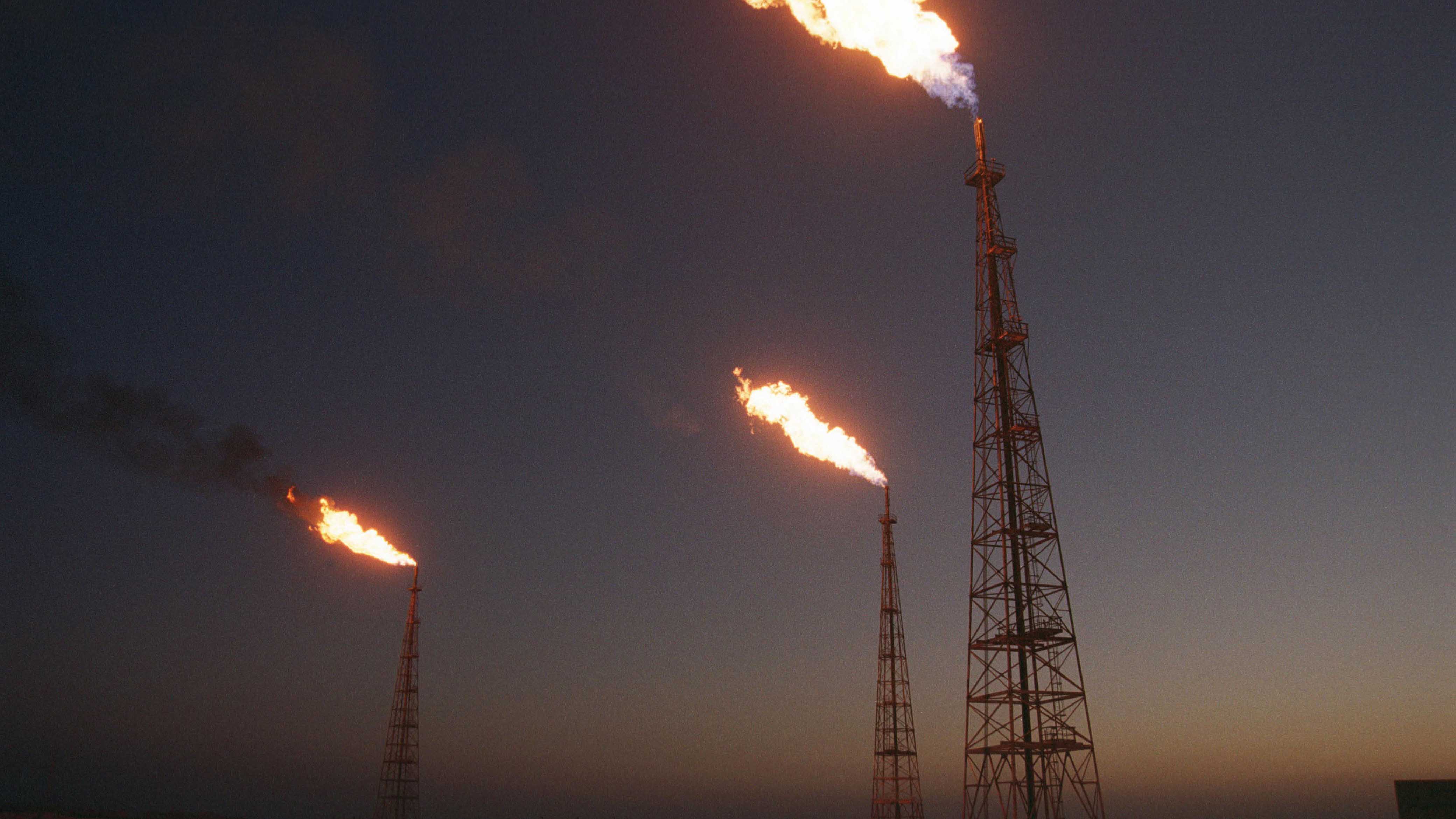
Iran's Oil Power: $10 Barrel Cost, Third Largest Reserves Explained
In the volatile world of global energy, few nations hold as much strategic sway as Iran when it comes to crude oil. Despite decades of sanctions and geopolitical tensions, the Islamic Republic remains a pivotal player, boasting some of the world's most accessible and cheapest oil reserves. The recent surge in regional conflicts and reports of military strikes against Iran have once again cast a spotlight on its oil infrastructure and its potential to disrupt global supplies, underscoring the critical link between frappes Iran pétrole (Iran strikes oil) and international market stability.
This article delves into the unique aspects of Iran's oil power: its remarkably low extraction costs, its vast crude oil reserves, and the geopolitical factors that continually shape its role in the global energy landscape. Understanding these dynamics is crucial for grasping the potential for significant market disruption.
The Economic Advantage: Why Iran's Oil is So Cheap to Produce
One of the most striking facts about Iran's oil industry is its incredibly low production cost. Analysts estimate that Iranian black gold can be extracted for as little as $10 a barrel, or even less. This figure is staggering when compared to other major oil-producing regions:
- Canadian or American oil typically costs between $40 and $60 per barrel to produce, often relying on more complex extraction methods like fracking or oil sands.
- Deep-sea drilling operations can incur even higher costs, pushing well over $70 per barrel in some cases.
What accounts for Iran's remarkable economic advantage? The answer lies primarily in its geology. Iran is blessed with vast conventional oil fields that are relatively shallow and easily accessible. These fields have been productive for decades, requiring less capital investment in advanced exploration and extraction technologies compared to unconventional or frontier regions. The sheer volume and purity of the crude, combined with a well-established (though aging) infrastructure, allow for highly efficient operations. This inherent low-cost production capability positions Iran as a formidable competitor, even when operating under severe constraints.
A Giant in Reserves: Third Largest in the World
Beyond its low production costs, Iran's long-term significance in the global oil market is cemented by its colossal reserves. The country is believed to hold the world's third largest crude oil reserves, a strategic asset that guarantees its relevance for generations to come. This places Iran behind only Venezuela and Saudi Arabia in terms of proven reserves, giving it immense potential energy wealth.
These vast reserves mean that Iran, despite current sanctions limiting its output, can theoretically ramp up production significantly should political circumstances change. Its historical capacity underscores this potential: in the 1970s, before the 1979 Islamic Revolution and subsequent waves of U.S. economic sanctions (including the recent "maximum pressure" policy), Iran was a powerhouse. In 1974, it ranked as the third largest oil producer globally, ahead of Russia, pumping out nearly twice its current volume of approximately 3.1 million barrels per day (mb/d).
Today, while still among the top ten producers, Iran's exports are severely curtailed, primarily flowing to China, which accounts for over 80% of its commercial outlets. The presence of such substantial, low-cost reserves means that any long-term shift in global energy demand or geopolitical alliances could see Iran quickly reclaim a much larger share of the market, impacting global supply and pricing dynamics.
The Strait of Hormuz: A Strategic Chokepoint
No discussion of Iran's oil power is complete without addressing the Strait of Hormuz. This narrow waterway, connecting the Persian Gulf to the Indian Ocean, is arguably the single most critical chokepoint for global oil supplies. Its strategic importance cannot be overstated:
- Global Lifeline: Approximately 20 million barrels of crude oil circulated through the Strait daily in 2024, according to the U.S. Energy Information Administration (EIA). This equates to nearly 20% of global liquid oil consumption, making it an indispensable passage for Middle Eastern oil producers to reach international markets.
- Vulnerability: The Strait is notoriously narrow, only about 50 kilometers at its tightest point, with a depth that rarely exceeds 60 meters. This makes it particularly vulnerable to disruption.
- Geopolitical Tension: Iran, through its Revolutionary Guards, has historically threatened to close the Strait in response to escalating conflicts or sanctions. Even a "simple doubt about safety" in the Strait can cause immense disruption. Insurance premiums for shipping vessels would skyrocket, causing many tankers to turn back or halt passage, as has been observed during periods of heightened tension. This directly contributes to market uncertainty and drives up oil prices. For an in-depth look at this critical region, read our article on the Strait of Hormuz Crisis: 20% of Global Oil Supply at Risk.
The implied threat of closure or actual military strikes in this vital passage is a powerful card in Iran's geopolitical hand, capable of sending shockwaves through the global economy and oil markets.
Geopolitical Implications and Market Volatility
The interplay of Iran's oil wealth, its strategic location, and its complex international relations makes it a constant source of market volatility. Reports of "frappes Iran pétrole"—whether referring to strikes *against* Iranian oil infrastructure (as implied by US/Israeli strike warnings) or Iranian actions *impacting* oil-producing allies of the US in the region (like the strikes reportedly on Qatar mentioned in reference context)—immediately trigger market reactions. Such incidents highlight the severe risk to the global supply of "black gold" and the potential for barrel prices to soar to levels not seen for years.
Maintaining security and stability in the Middle East, particularly around Iran's oil-rich regions and the Strait of Hormuz, is therefore paramount for global economic health. Any military action, perceived threat, or actual disruption involving Iran carries enormous weight for oil importers worldwide, from major industrial nations to developing economies. For businesses and policymakers, monitoring these developments and understanding their potential impact on energy costs and supply chains is a constant challenge.
Conclusion
Iran's standing as a formidable oil power is multifaceted, rooted in its low-cost production capabilities, the sheer scale of its crude oil reserves, and its geographical control over the indispensable Strait of Hormuz. Despite the limitations imposed by sanctions and historical shifts, its potential to influence global oil prices and supply remains undeniable. As geopolitical tensions ebb and flow, particularly concerning military actions or "frappes" involving Iran and its neighbors, the world watches closely, aware that the delicate balance of the global energy market can shift dramatically with any disruption from this strategic nation.