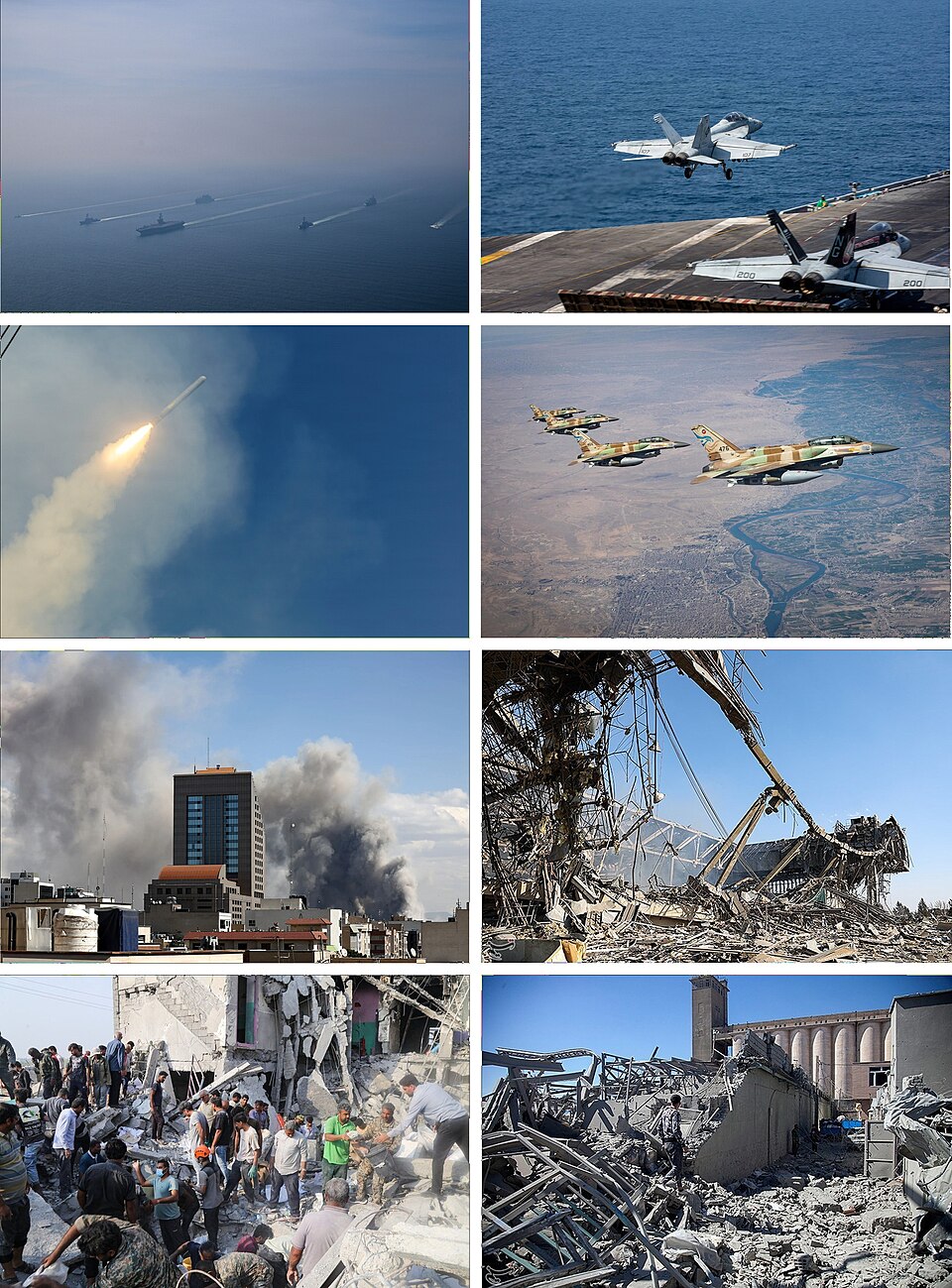
The Strait of Hormuz: A Volatile Chokepoint for Global Oil
The Strait of Hormuz, a narrow maritime passage connecting the Persian Gulf to the open ocean, stands as one of the world's most critical chokepoints for energy supply. Recent escalations, including military actions involving Iran, have thrust this vital waterway into the spotlight, raising serious concerns about the stability of global oil markets. With an estimated 20% of the world's daily oil supply transiting through this strait, any disruption has immediate and far-reaching implications, threatening to send crude prices soaring and ripple through economies worldwide.
The geopolitical landscape of the Middle East is perpetually complex, but the recent uptick in tensions, including reports of strikes against regional allies and infrastructure, underscores the fragility of global energy security. The question on many minds is not just *if* but *how* these developments, particularly those concerning Iran, will impact the flow and cost of oil.
The Strategic Significance of the Strait of Hormuz
More than just a passage, the Strait of Hormuz is the main artery for oil from Saudi Arabia, Iran, Iraq, Kuwait, Qatar, and the UAE to reach international markets. It's a geographical reality that dictates a significant portion of the world's energy trade. According to the U.S. Energy Information Administration (EIA), approximately 20 million barrels of crude oil circulated through the Strait daily in 2024. This figure represents nearly one-fifth of global liquid oil consumption, making its uninterrupted flow paramount to global economic stability.
The strait's vulnerability is compounded by its physical characteristics: a mere 50 kilometers (31 miles) wide at its narrowest point and with depths not exceeding 60 meters (197 feet). This confined space, coupled with heavy traffic from massive oil tankers, creates a precarious situation. Even a hint of insecurity can trigger alarm bells across the shipping and insurance industries. As experts like Arne Lohmann Rasmussen of Global Risk Management highlight, "even a simple doubt about safety in the strait would cause many ships, for insurance reasons, to encounter difficulties in crossing it, because premiums would increase sharply."
Indeed, recent reports from marine traffic specialists indicated oil tankers rerouting or halting operations before entering the strait in response to heightened warnings. Washington's call for commercial ships to "stay away" from the Gulf further illustrates the gravity of the situation. While some maintain that American air and naval superiority could quickly restore security, the interim period of uncertainty alone can inflict significant economic damage.
Iran's Pivotal Role in Global Oil Dynamics
At the heart of these tensions lies Iran, a nation whose economy is deeply intertwined with its vast oil resources. Despite decades of international sanctions and political isolation, Iran remains a formidable player in the global oil market. With an output of approximately 3.1 million barrels per day (mb/d), according to OPEC, Iran consistently ranks among the world's top ten producers. Historically, its output was even greater, peaking in the 1970s before the Islamic Revolution and subsequent waves of U.S. sanctions, including Donald Trump's "maximum pressure" policy, curbed its production capacity.
What makes Iranian oil particularly significant is its cost-effectiveness. The nation boasts easily accessible reserves, allowing for extraction costs as low as $10 per barrel, a figure competitive only with some other Gulf states. This contrasts sharply with the $40-$60 per barrel cost for production in regions like Canada or the United States. Furthermore, Iran holds the world's third-largest crude oil reserves, cementing its long-term strategic importance.
However, U.S. sanctions have severely restricted Iran's access to international markets. Currently, the country exports between 1.3 and 1.5 million barrels per day, with over 80% of these exports finding their way to China. This heavy reliance on a single buyer underscores the challenges Iran faces, yet also highlights the potential global market impact should these exports be further disrupted by military actions or heightened security risks. The implications of Iran's Oil Power: $10 Barrel Cost, Third Largest Reserves Explained are critical to understanding the wider economic ramifications.
Escalating Tensions and the Ripple Effect on Oil Prices
The recent intensification of hostilities in the region, including reports of U.S. and Israeli strikes against Iran and, conversely, Iranian strikes on U.S. allies in the Middle East (such as the reported missile and drone attacks on Qatar), directly fuels market anxieties. These military actions, often referred to as 'frappes iran pétrole' in the context of their impact on oil, introduce a significant "risk premium" into crude prices. This premium reflects the market's expectation of potential supply disruptions, even if no actual disruption has occurred yet.
When the Strait of Hormuz is threatened, the price of oil reacts almost instantly. Analysts predict barrel prices could soar to levels not seen in years, impacting everything from transportation costs and manufacturing to consumer goods. This immediate volatility can be devastating for energy-importing nations and contributes to global inflationary pressures. For a deeper dive into this phenomenon, read our related article: Iran Conflict: How Strikes Could Send Global Oil Prices Soaring.
The psychological impact on traders and investors is profound. Uncertainty breeds caution, leading to speculative buying and a further upward push on prices. Moreover, the long-term implications for investment in new oil and gas projects become unclear, potentially affecting future supply stability. The danger extends beyond the immediate price of crude; it affects the reliability of energy supply chains, demanding contingency planning from governments and industries worldwide.
Navigating the Crisis: Potential Scenarios and Global Response
In the face of such a volatile situation, global stakeholders must consider various scenarios and potential responses. In the short term, any direct military confrontation or blockade of the Strait would trigger an immediate and drastic spike in oil prices, potentially leading to a global recession. Strategic petroleum reserves held by major economies, while significant, could only offer a temporary reprieve. Their deployment would signal a severe emergency, underscoring the lack of viable alternative routes for the sheer volume of oil passing through Hormuz.
Medium to long-term strategies would likely involve renewed diplomatic efforts to de-escalate tensions, alongside accelerated pushes for energy diversification in importing nations. However, transitioning away from fossil fuels, or even diversifying supply chains, is a multi-year endeavor that offers little solace in an immediate crisis. Countries highly dependent on Middle Eastern oil would be forced to seek alternative suppliers, potentially leading to bidding wars and further price hikes.
For businesses and consumers, understanding this dynamic is crucial. Companies reliant on stable energy prices, particularly in logistics and manufacturing, should consider hedging strategies or exploring ways to improve energy efficiency. For individuals, awareness of potential fuel price volatility is key, encouraging mindful consumption and preparedness for economic shifts. The interconnectedness of the global economy means that a crisis in the Strait of Hormuz is not just a regional issue, but a global economic threat.
Conclusion
The Strait of Hormuz remains a precarious lifeline for global energy, with 20% of the world's oil supply at constant risk due to geopolitical instability. Iran's significant role as an oil producer, coupled with the escalating regional tensions and the threat of military strikes, paints a concerning picture for global oil markets. While the immediate consequences are seen in fluctuating oil prices, the potential for long-term economic disruption underscores the urgent need for diplomatic resolution and de-escalation. The international community watches closely, aware that the stability of this narrow passage is inextricably linked to the health of the global economy.